112-1 EMI 課程教學助理專業知能培力計畫
RCEMI_112-1_EMI_課程教學助理專業知能培力計畫_延長報名.docx RCEMI_112-1_EMI_課程教學助理專業知能培力計畫_延長報名.docx_organized-1 RCEMI_112-1_EMI_課程教學助理專業知能培力計畫_延長報名.docx_organized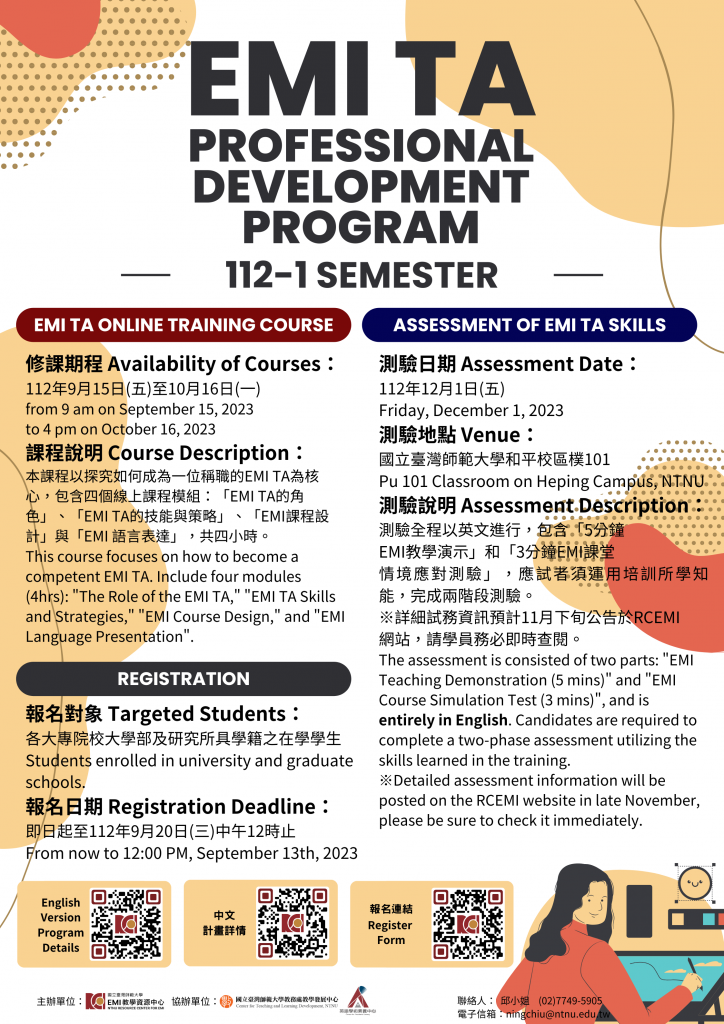

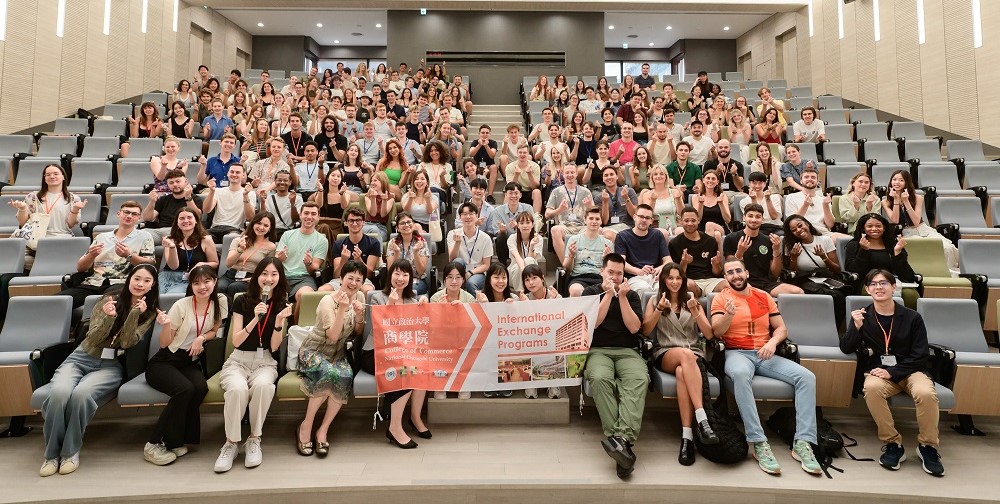
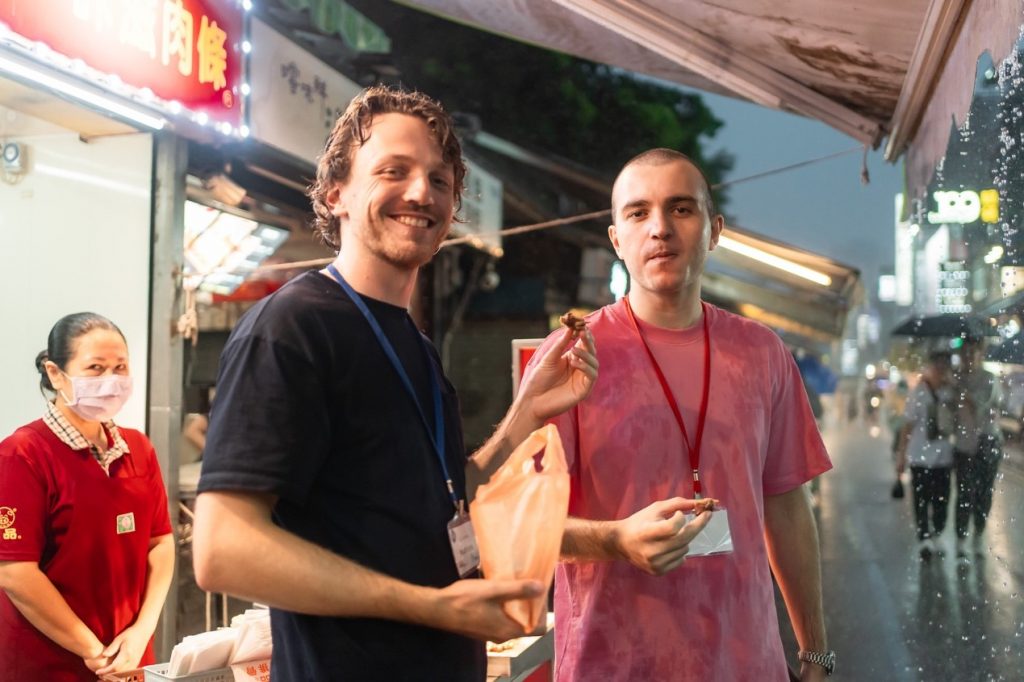
On September 6th, 2023, 156 NCCUC exchange students from all over the world joined the orientation and cultural tour in Yilan County hosted by the Office of International Programs, NCCUC. The one-day tour in north east Taiwan allowed exchange students to indulge in Taiwanese cuisine, interact with local students and gain a better understanding of the exotic Taiwanese culture.
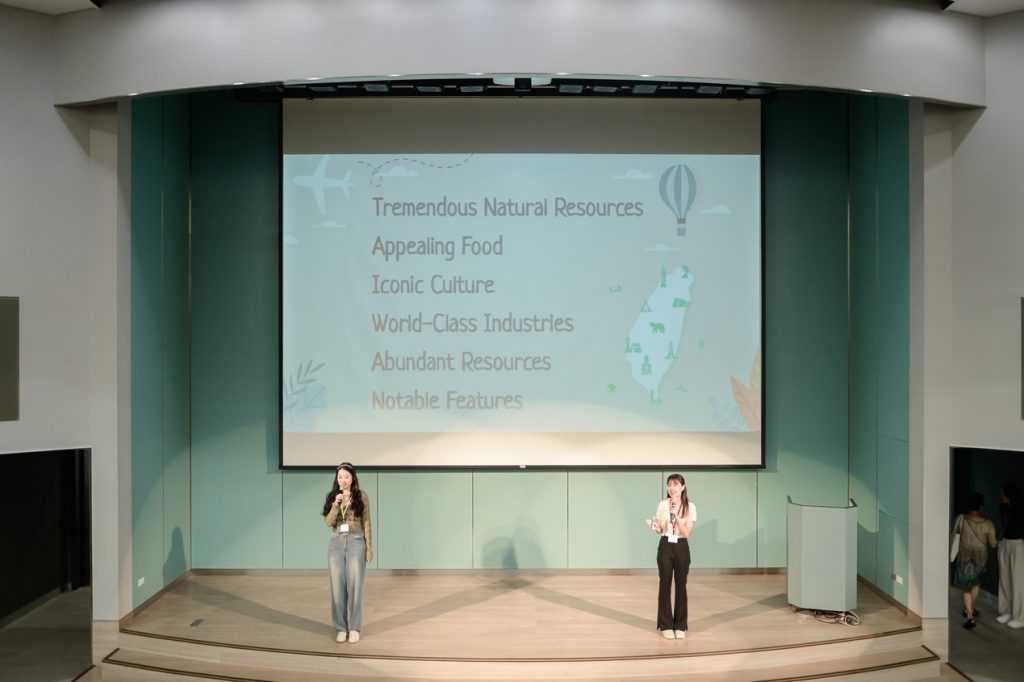
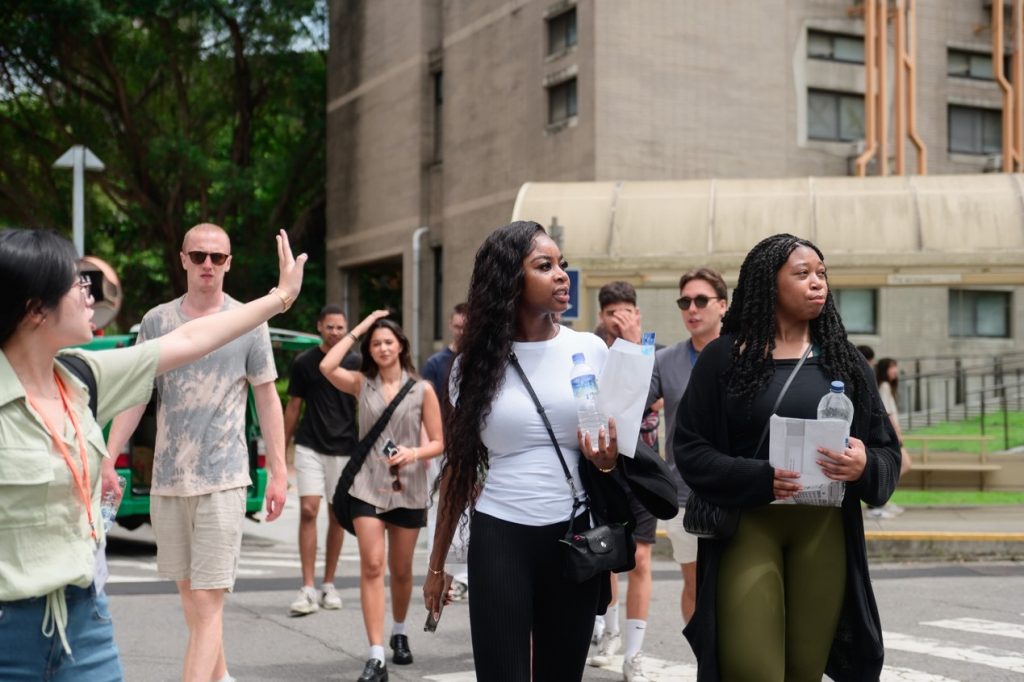
To start the day, International Programs Ambassadors (IPAs) prepared a series of detailed introduction of both Taiwan and NCCU, getting rid of the worry and anxiety on exchange students. While unveiling the gems of Taiwan, the exchange students got to know more about ancient Chinese letters with imagination. During the orientation, the ambassadors not only introduced NCCU in details from administration system to survival guide, but also guided the exchange students around campus, giving them a clearer picture of their up-coming everyday life.
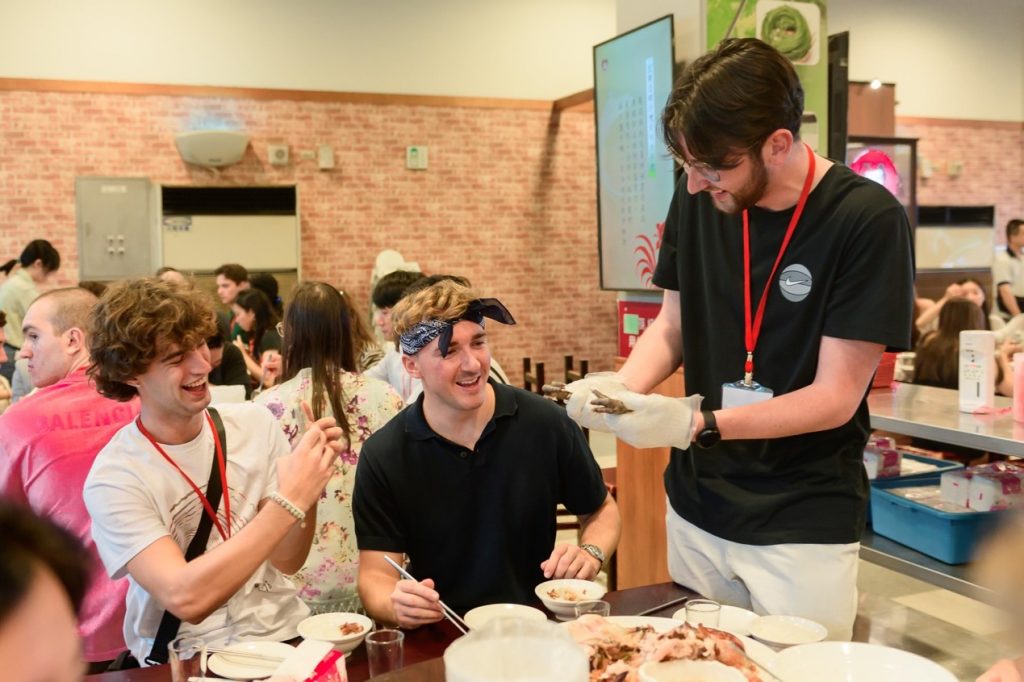
The first stop of the culture tour was for the delicious jar-roasted chicken(甕仔雞). Worrying that the exchange students might be scared of the whole chicken, the jar-roasted chicken was served without head and neck. However, most of the exchange students are still surprised when they see the chicken feet while others said that it reminded them of the wishbone custom back in their home countries. Moreover, since the jar-roasted cuisine was served as a whole chicken, each table had to assign a “warrior” to do the hand-on tearing job just like a surgeon for everyone. Although the unusualness at first, you would never know if you don’t give it a try, the jar-roasted chicken had gained much favorable comments with its unique firewood smell, standing out among all the other local cuisine, including stir-fried white water snowflake(炒水蓮), fried shrimp roll, braised pork rice and so on.
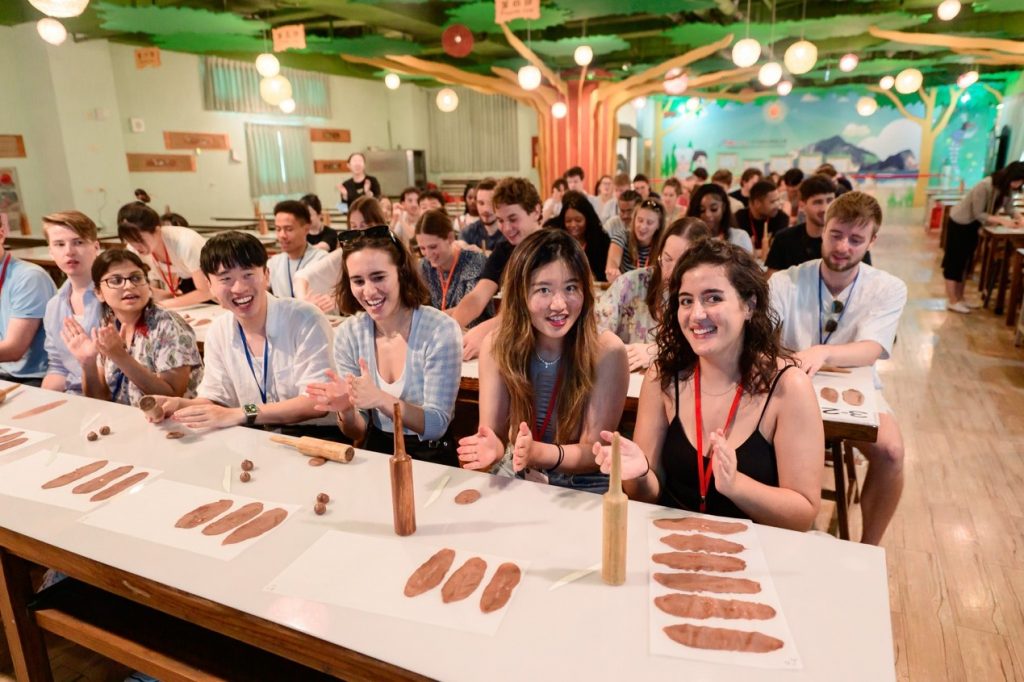
After enjoying the delicacies to their content, the next stop was I- Cake Invention Museum, where the participants got to make their own Ovomaltine flavored Yi-Lan biscuits (宜蘭餅). The local Yi-Lan biscuits are said to be the thinnest biscuits in the world with only 0.1cm thick. With the tutor’s comprehensive and vivid instructions, the participants followed carefully while pinching and rolling the dough. After a series of hard work, the participants could finally enjoy their own freshly-baked Yi-Lan biscuits and be stunned by how crunchy the biscuits are.
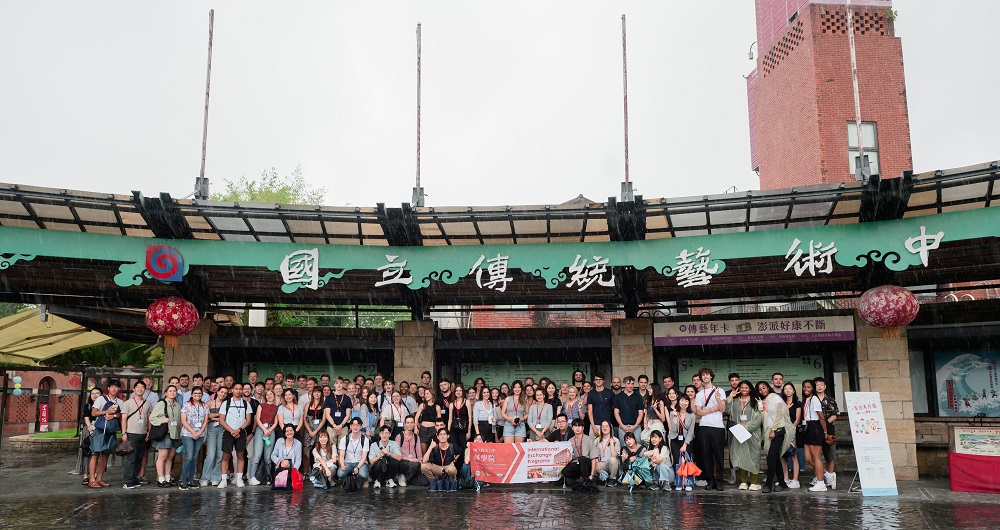
The following visit of the trip was National Center for Traditional Arts(國立傳統藝術中心) where the exchange students were able to immerse themselves in very local Chinese atmosphere by strolling down the antique red-brick-wall allies and visit Wenchang Temple(傳藝文昌祠). Because of the sudden heavy rain, some of the exchange students sought shelter at the Hanlin Tea Room(翰林茶館) who claimed to be the ancestor of bubble milk tea. As a result, the exchange students got to discover Taiwanese culture with their taste buds by enjoy the “OG” bubble milk tea. Since the charm of bubble milk tea has swept the whole world with its special taste, there are bubble milk tea shop in north Europe as well. However, Arno Tuhkanen from Aalto University School of Business, Finland, shared that his first try back in Finland couple of years ago was not as fabulous as this time in the origin country.
As a must-visit tourist spot in Yi-lan County, Luodong Night Market was the last but not least spot of the culture tour. At a much more affordable price than that in her home country, Denmark, Sara Troelsen from Copenhagen Business School had savored a variety of local snacks, including stinky tofu, fried sweet potato balls(地瓜球), crispy sparerib(排骨酥), white gourd tea with lemon smoothie(冬瓜檸檬冰沙), just to name a few. Among all of them, the angelica mutton soup (當歸羊肉湯) was impressive for her. In comparison with the soup back in Denmark, angelica mutton soup tastes less thick. “We always put smashed potato into soup, making the taste of the soup thick.”she explained. Speaking of the differences between Asian and Scandinavian cuisine, Josefin Mårtenson from Stockholm School of Economics, Sweden added that the latter one tastes plainer, because there are usually only potato, meat and sauce. Besides, unlike the variety of flavor in Chinese cuisine, salt is merely the only condiment in the traditional Scandinavian cuisine.
Caroline Wu (吳冠葶) the moderator of the orientation from Department of Risk Management and Insurance mentioned that the culture tour not only aimed to create a memorable time for exchange students’ first adventure in Taiwan, but also wanted to provide them an opportunity to get along and feel at home by knowing each other before the semester get started. As a result, they could fit in well in Taiwan and enjoy the rest of the semester in NCCUC.

According to sharing from most of the exchange students, they are astonished by how friendly Taiwanese are. Besides, younger generations in Taiwan are capable of basic conversation in English, which made their journey on this beautiful island much easier than they thought. After all, who can resist this exotic country with diverse amazing cuisine and culture!
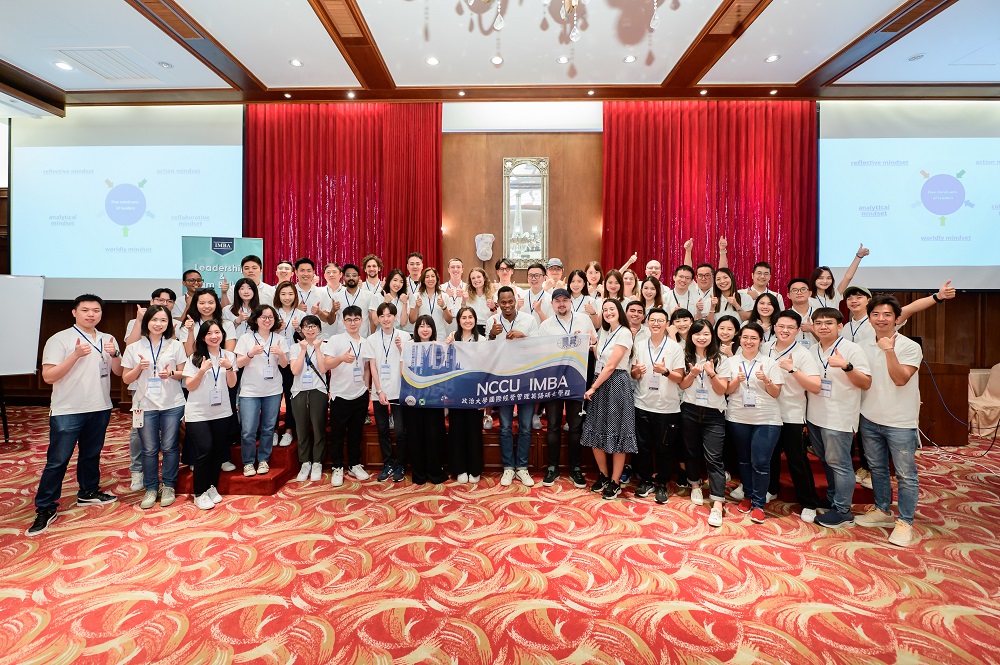
In a world where effective leadership and teamwork are paramount, The IMBA Department of the National Chengchi University recently hosted an inspiring Leadership and Team Building Camp for 54 International Master of Business Administration (IMBA) students from diverse backgrounds. This transformative three-day experience, held from September 1st to 3rd, 2023, was designed to prepare students for their IMBA journey and instill fundamental leadership and team-building concepts essential for their future careers and personal growth.
Cultivating Leadership and Teamwork
The camp's core mission was to cultivate leadership skills and foster teamwork. IMBA Director, Professor Jason Tsai, warmly welcomed the participants, officially launching the event. The theme for the weekend, "Learning, Leading, and Linking," aptly captured the essence of what lay ahead. Under the guidance of Professor Weichieh Su, the students engaged in an activity aimed at better understanding both themselves and their peers. Through a series of questions and interactive discussions, they uncovered shared traits and characteristics within their assigned groups. This activity not only encouraged self-reflection but also laid the groundwork for building stronger bonds and appreciating diverse perspectives. This session also served as an opportunity for students to introduce something unique about their country.

One student aptly described the experience, saying, "Attending the camp at NCCU was a transformative experience that exposed me to various leadership skills, fostered teamwork, and promoted personal growth." The camp's curriculum emphasized leadership development through various activities, strategies, and problem-solving techniques, enriching the students' leadership qualities.
Teamwork in Action
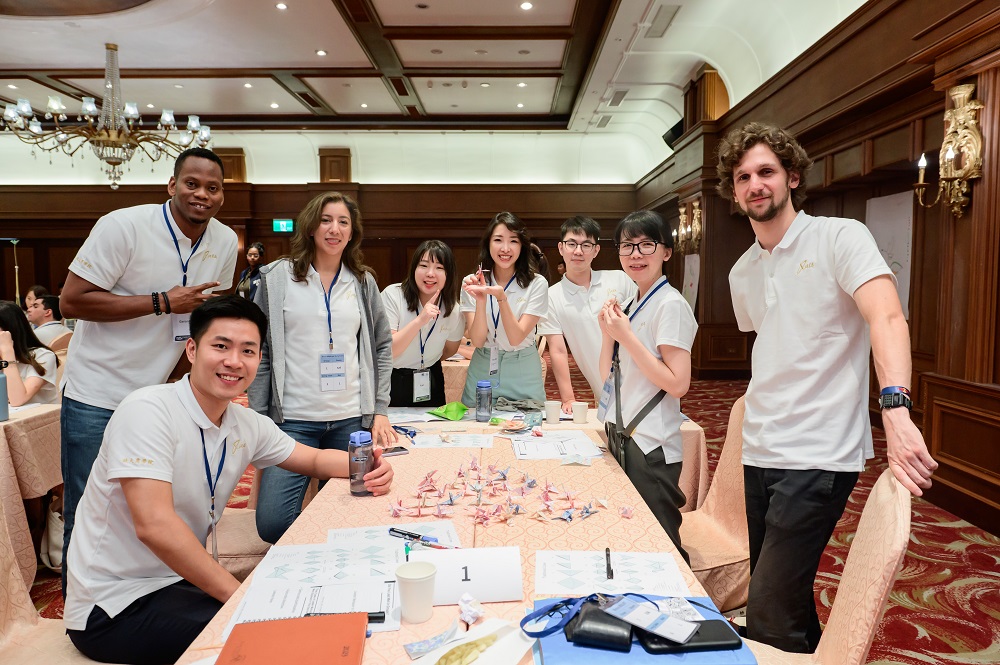
The camp featured a series of activities that highlighted the importance of teamwork and leadership. Professor Dennis Hsu challenged students with a task to build the tallest spaghetti structure within a given timeframe, prompting them to display teamwork, patience, and perseverance. This demanding exercise emphasized the significance of groups and teams as fundamental work units. After the spaghetti challenge, the class transitioned to another group activity that focused on leadership development through Origami. Professor Hsu provided specific leadership roles to group leaders unbeknownst to students, this included democratic, autocratic, and laissez-faire styles, each with its own set of expectations. This exercise not only tested the students' teamwork and creative problem-solving skills but also encouraged them to critically reflect on the leadership styles they experienced during the Origami-building process. After the activity, students were encouraged to share their thoughts on their leaders and how these leadership approaches influenced their experience, adding depth to their understanding of leadership dynamics within teams. These exercises not only underlined the significance of teamwork but also provided valuable insights into the multifaceted nature of leadership.
Later in the evening, Professor Sungjun Stephen Park played a pivotal role by introducing students to a thought-provoking case study titled "How can one person change the conscience of an organization." This engaging session was a catalyst for collaborative discussions as students delved into the case study, sharing their insights and relating it to their own experiences. Professor Park's session not only stimulated critical thinking but also provided students with a practical understanding of how individuals can impact organizational values and ethics. Additionally, an exciting activity called the XY Game was introduced, where students worked within their respective groups to make decisions. In seven rounds, each group had to choose between X, representing good performance for their own team, and Y, indicating performance for the entire company. This dynamic exercise encouraged camaraderie and critical thinking as teams strived to achieve optimal individual and overall gains, offering a hands-on lesson in the dynamics of group decision-making.

One student, Emma Tourre from France, noted, "I often find Leadership courses to be too theoretical, but here it was not the case. That's why I truly believe I learned valuable lessons during this course, more than any Leadership course I had before."
Cultural Immersion and Creativity
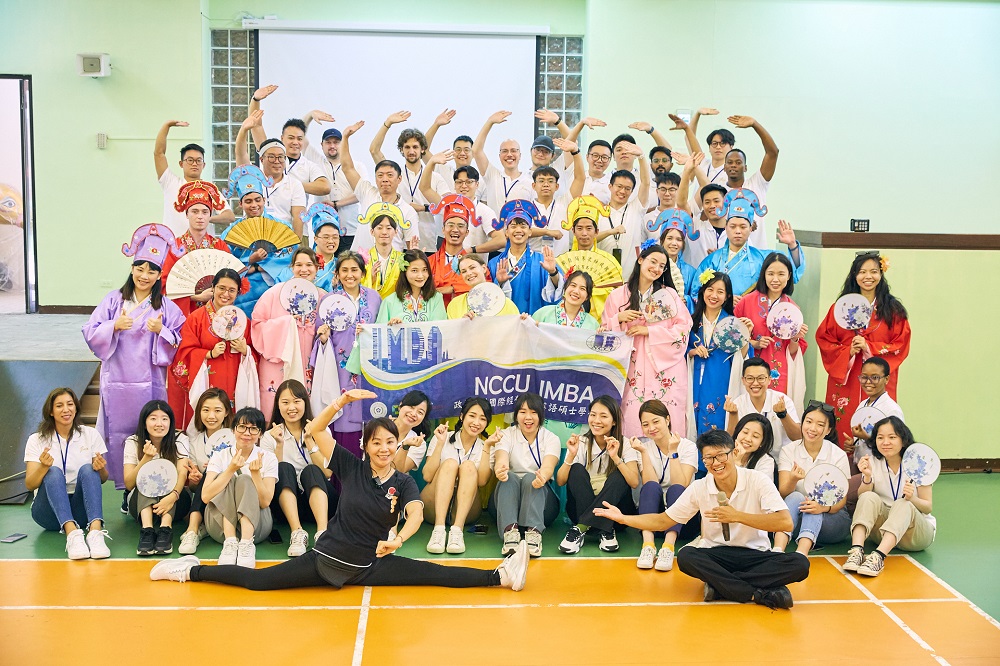
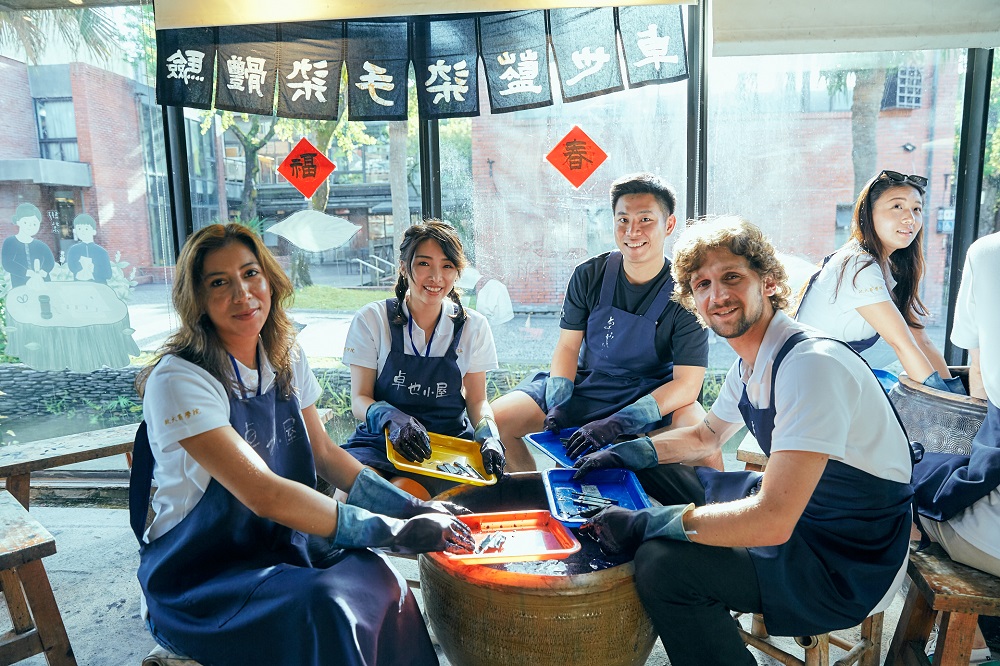
Day two was a blend of creative thinking and cultural immersion. Professor Arthur Wang inspired students to think outside the box through various exercises and discussions. Through a series of exercises, students were encouraged to think beyond traditional boundaries and unleash their creativity. Activities such as military supply support, tower building, and exploration of creative inventions inspired students to approach problem-solving with fresh perspectives. The Cultural Experience field trip at the National Center for Traditional Arts exposed students to traditional Taiwanese opera, providing a deep appreciation for Taiwanese culture. Students participated in activities like leather card holder making, tie dye books marks and personalized wooden drink coaster crafting, igniting their creativity.

Additionally, there was a group activity component where students collaborated to solve puzzles to locate specific areas, and capture creative group photos. Student Divyanshu from India shared, "The introduction to the Taiwanese Opera was something new for me, experiencing and practicing at the same time. I am immensely grateful for the opportunity to be at the Leadership and Team Building camp organized by NCCU."

Building Empathy and Decision-Making Skills
The final day featured a thought-provoking exercise. Students were tasked with ranking patients deserving of a kidney transplant, fostering empathy and rational decision-making. This exercise emphasized the importance of understanding emotional and rational perspectives in leadership and decision-making.

In their own leadership display exercises, students showcased their ability to lead, interact, and use their leadership skills to guide their teams. The camp concluded on a high note with students leaving with newfound knowledge, friendships, and a renewed spirit for their IMBA journey. Student Anthony Santoso from Indonesia eloquently summarized the experience, saying, "The camp reminded me that simplicity and warmth are incredibly effective in getting to know new people, and basic introductions can forge a sense of belonging."

National Chengchi University's Leadership and Team Building Camp proved to be an invaluable experience for these IMBA students, equipping them with essential skills for their academic journey and future careers. As they embark on their IMBA program, these students are now well-prepared to be the leaders of tomorrow, armed with a profound understanding of leadership and teamwork. The camp's emphasis on real-world applications of leadership and team dynamics was a refreshing departure from traditional classroom-based learning. Students had the opportunity to put theory into practice, experiencing firsthand the nuances of leadership styles, the intricacies of group dynamics, and the importance of cultural sensitivity in global teamwork.

Emma Tourre highlighted the practical nature of the camp. She appreciated the departure from theoretical learning, emphasizing that the camp provided valuable lessons that surpassed her prior experiences in leadership courses. Emma's leadership role during the origami activity allowed her to witness the effects of different leadership styles, a valuable lesson in itself.

As Anthony Santoso reflected on his journey from the initial sense of homesickness to the camaraderie and personal growth he experienced during the camp, it became evident that this event had a profound impact. Beyond the academic curriculum, the camp taught life lessons—simplicity, warmth, and the value of making mistakes. It forged a sense of belonging among students from diverse backgrounds.

In conclusion, the Leadership and Team Building Camp at National Chengchi University serves as a shining example of how experiential learning, cultural immersion, and practical leadership exercises can shape the leaders of tomorrow. It equips students not only with knowledge but also with the skills, values, and perspectives needed to excel in a diverse and interconnected world. NCCU's commitment to providing transformative experiences sets a benchmark for leadership education, empowering its students to navigate the challenges of the future with confidence and competence.
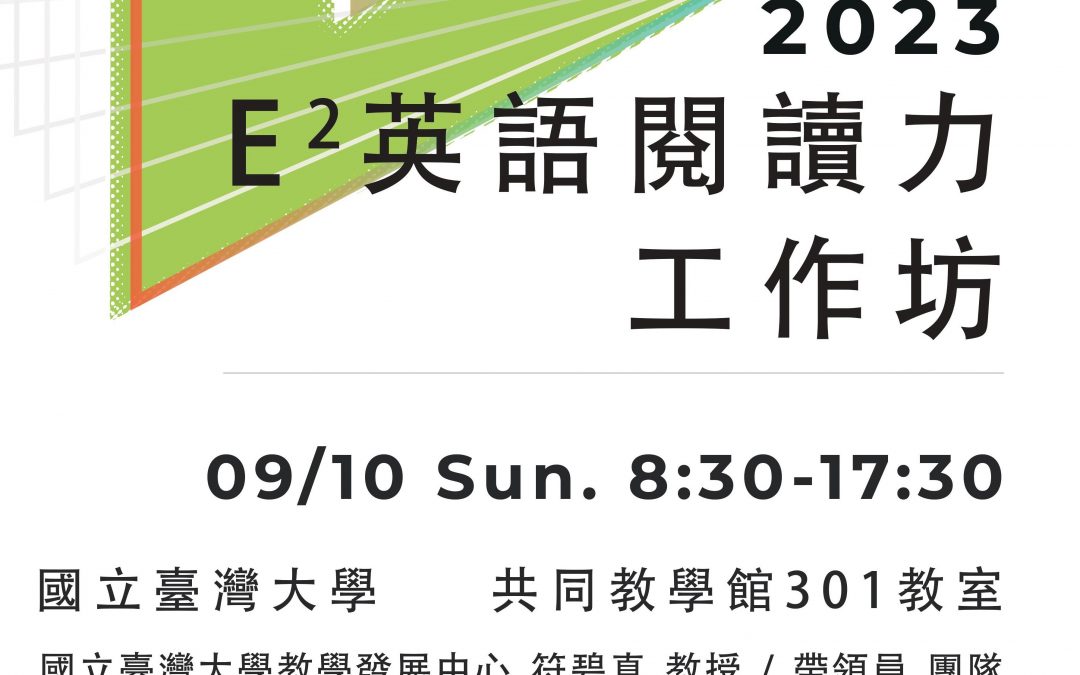
【第二屆E²英語閱讀力工作坊】(中文授課)
• 本次工作坊旨在引導學生採用SQ3R的閱讀策略,包括Survey (瀏覽全文結構及邏輯順序)、Question (針對文章各層次的標頭提出Wh- 的問題)、Read(根據Wh- 的問題,閱讀文章並找答案)、Recite(複述各層次Wh- 問題與答案)、Review(複習全文架構,以及問題與答案)。希望學生work smart,短時間能夠掌握文章重點,達到事半功倍的效果。詳細活動資訊請參考: https://cbe.ntu.edu.tw/events/74
• 本工作坊分成上午、下午兩個部分:
o 上午課程講座:旨在引導如何運用SQ3R閱讀法閱讀英文文章。
o 下午實際演練:著重在如何引導大學生運用SQ3R閱讀教科書與期刊論文,並有實際分組教學演練,同時段班次分為理工、生命科學、社會科學三大領域。
• 敬邀各校教學助理、教師及學生報名參加! 本工作坊名額有限(上午課程至多200人; 全日工作坊(包含上午講座及下午試教演練,限教學助理、教師參加,若仍有名額,將提供給一般學生參加)72人),額滿為止。 詳細報名資訊,請參考報名連結。
• 工作坊日期: 2023/09/10(日) 08:30 – 17:30
• 地點: 國立臺灣大學共同教學館301教室
• 報名連結: https://www.surveycake.com/s/8Q90Y
• 報名期限: 到2023/09/03 或 名額額滿